
Our household has been part of a local community garden for the past several years, and with spring finally approaching, we’re looking forward to getting back for another season soon.
Community gardens have an interesting history in this part of the world. First, it’s important to acknowledge that community-based and shared agricultural practices go back far further than the brief history that will be presented here. The history that follows is intended to provide a brief overview of the more formalized community garden movement, but is not intended to erase the longer history that predates it – including long histories of community-focused gardening practices in Indigenous, Black, immigrant, and working class communities.
The origin of North American community gardens in their current form is often traced back to Detroit in the late 19th century, when vacant lots were converted into urban gardens to provide food sources for the low-income industrial labourers most impacted by the economic recession. The success of this pilot program in addressing food insecurity and poverty led to similar programs being implemented in several other major US cities. The popularity of these gardens faded by around the turn of the 20th century as economic situations improved, but saw a resurgence again during WWI, although this time with a significantly more patriotic bent. Community members were called on to repurpose any available patches of land to grow food to support the war effort. Similar initiatives occurred during WWII, often called “Victory Gardens”.
Around this time, there was also a growing community garden movement among Black Americans, many of whom lived in communities that had been neglected by the State. Another major resurgence in community gardens in predominantly Black communities arose during the 2008-2009 financial crisis.
Community gardening took on other forms in the later 20th century, with grassroots groups like the Green Guerillas in New York City in the 1970s participating in practices such as “seed bombing”, where the Guerillas would put together packets of seeds, fertilizer, and water that could be lobbed over fences and into other inaccessible areas to grow spontaneous patches of plants.
In Canada, community gardens continue to be extremely popular. Less than 10 years ago, Nature Canada estimated that there were over 75 community gardens in Vancouver, 40 in Ottawa, and 25 in Halifax. Now, Vancouver community gardens exceed 110 and Ottawa exceeds 115 (more current statistics for Halifax weren’t available). Montreal continues to have one of the largest community garden programs in Canada, with an estimated 12,000 residents benefiting from local gardens, more than half of whom identify as low-income. There has also been substantial growth in community garden programs in the North, with 36 gardens operating in the Northwest Territories, 10 in the Yukon, 3 in Nunavut, 2 in Labrador, and 2 in Nunavik (as of 2019). Indigenous food sovereignty initiatives (which often focus on the right to access traditional hunting, trapping, and gathering practices) have also increasingly included community gardens as part of their priority areas.
To learn more about community garden initiatives focused on justice, liberation, and sustainable futures, especially for historically marginalized groups, check out these articles:
Black Farmers Reviving Their African Roots: ‘We Are Feeding Our Liberation’ by Kevon Paynter
The Lasting Legacy of Black Garden Clubs in America by Hadley Keller
Liberated Roots by Jay Ehrenhalt
Community Garden Cultivates Social Justice by Carla Rodriguez and Amy Richards
Growing Food Justice in Brooklyn by Valery Rizzo and Mónica R. Goya
A brief history of growing food while Black by Moji Igun
Community and school gardens don’t magically sprout bountiful benefits by Mitchell McLarnon
And a couple of cool other resources:
Deeply Rooted: Black and Indigenous Farmers Market in Tkaranto/Toronto
A list of Indigenous community gardens in Tkaranto/Toronto
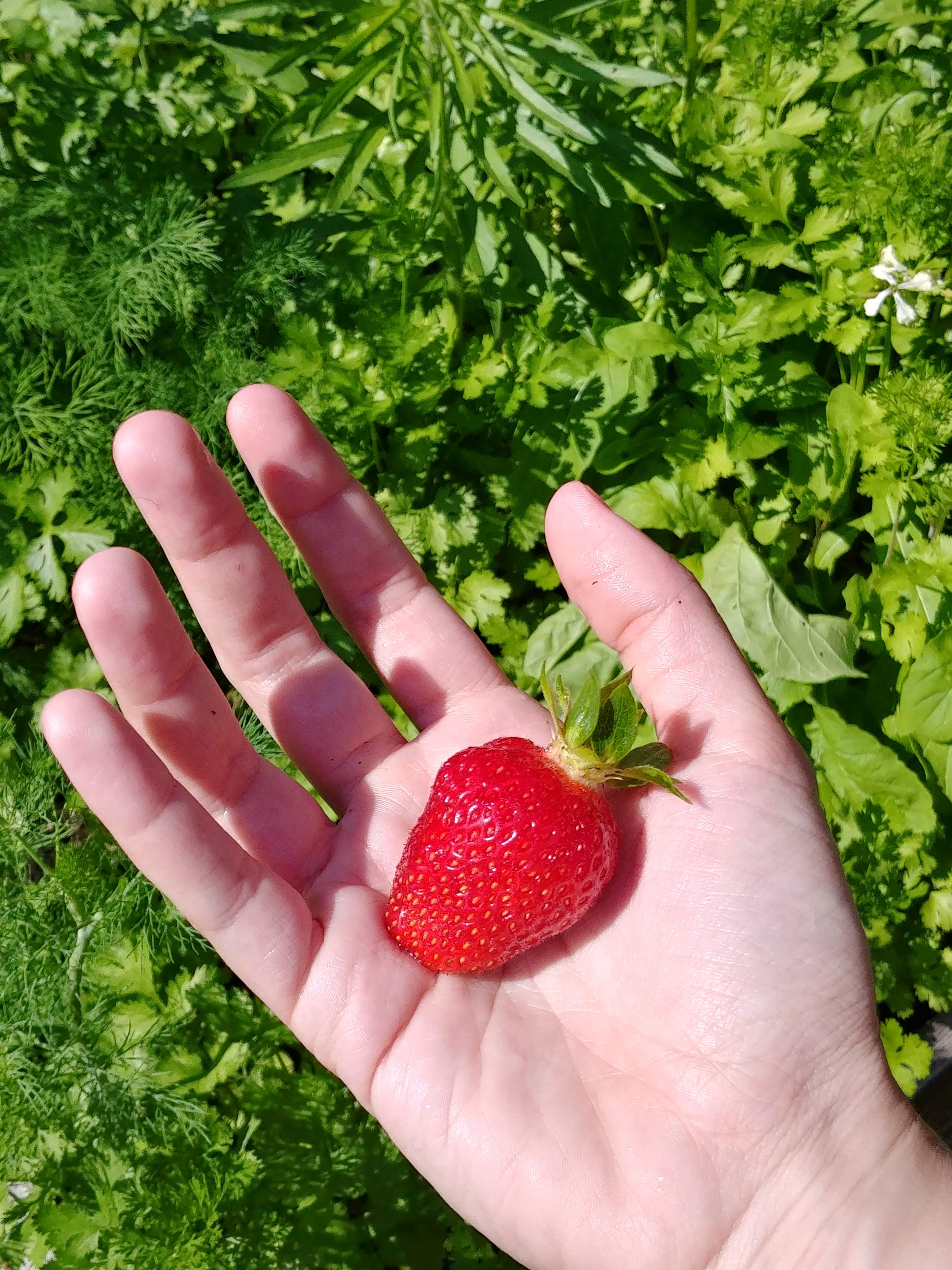
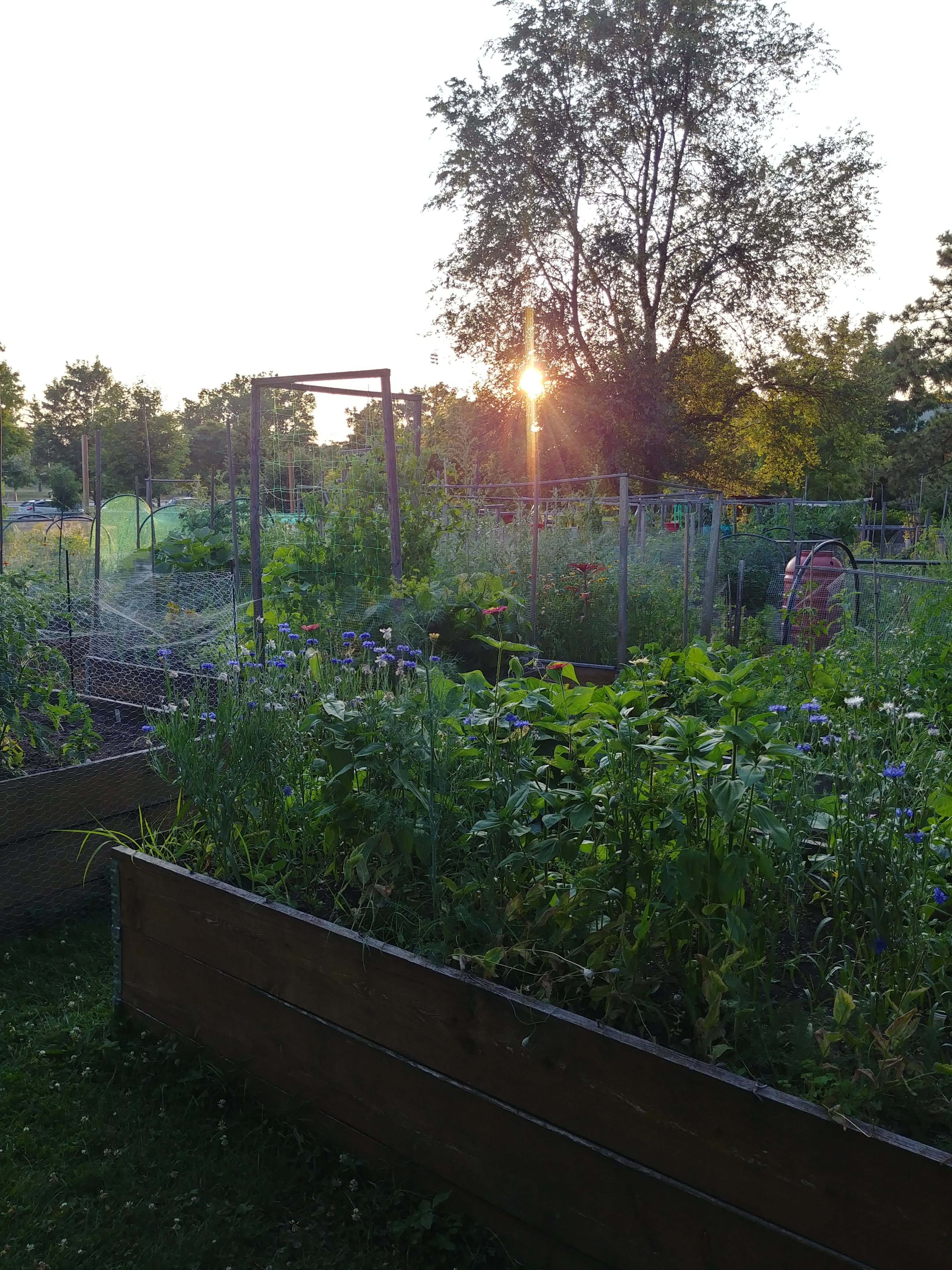
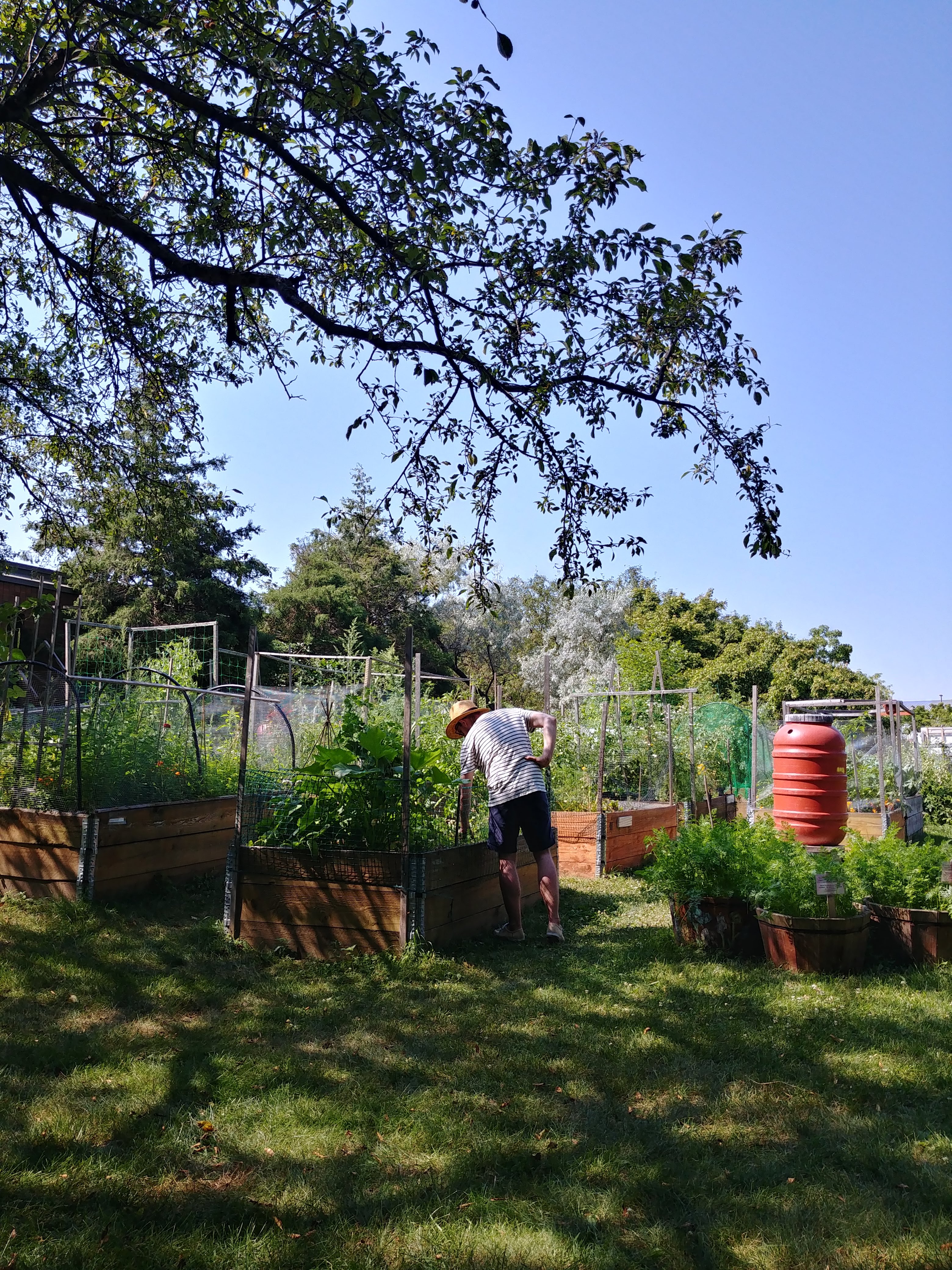
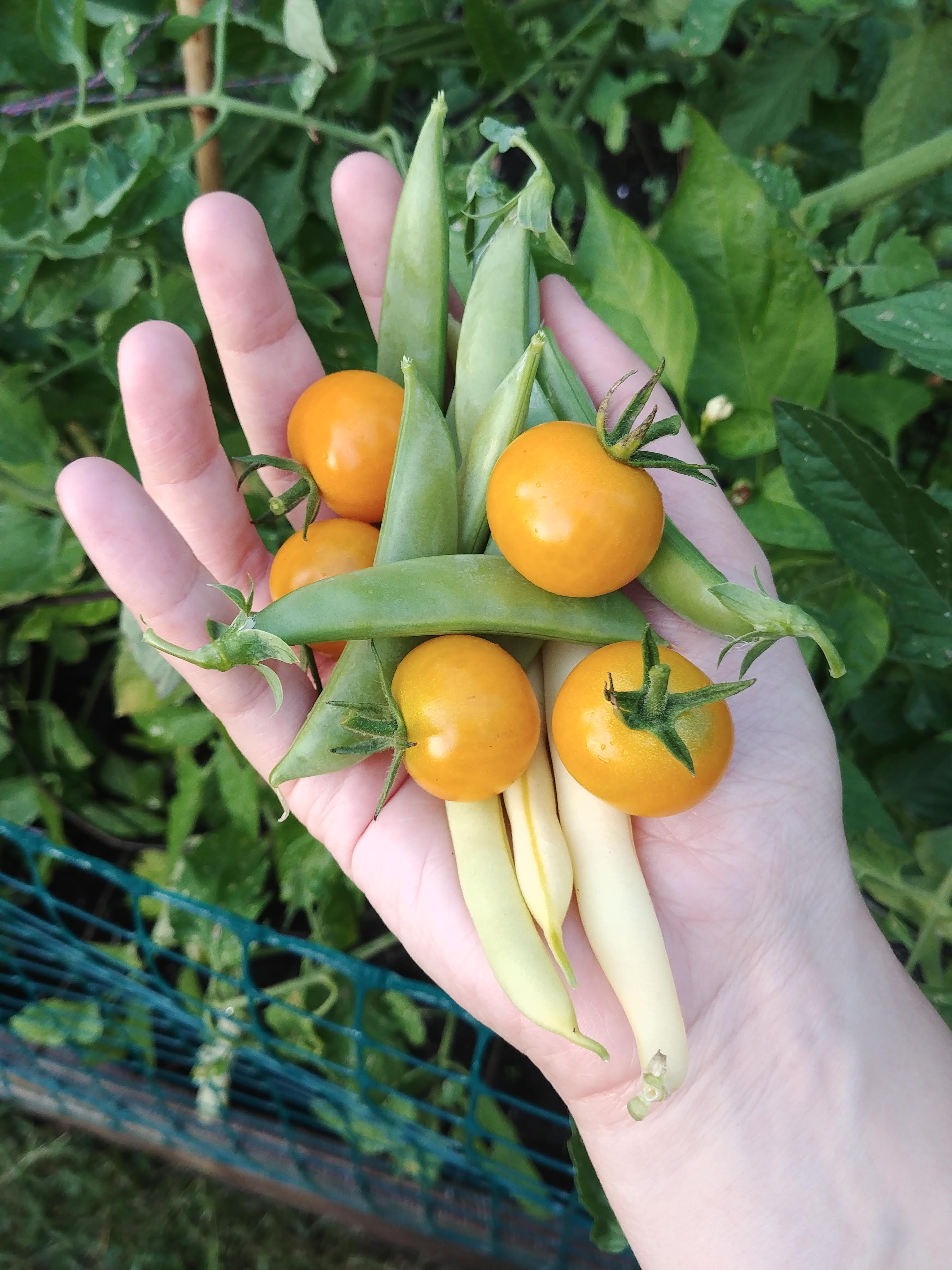
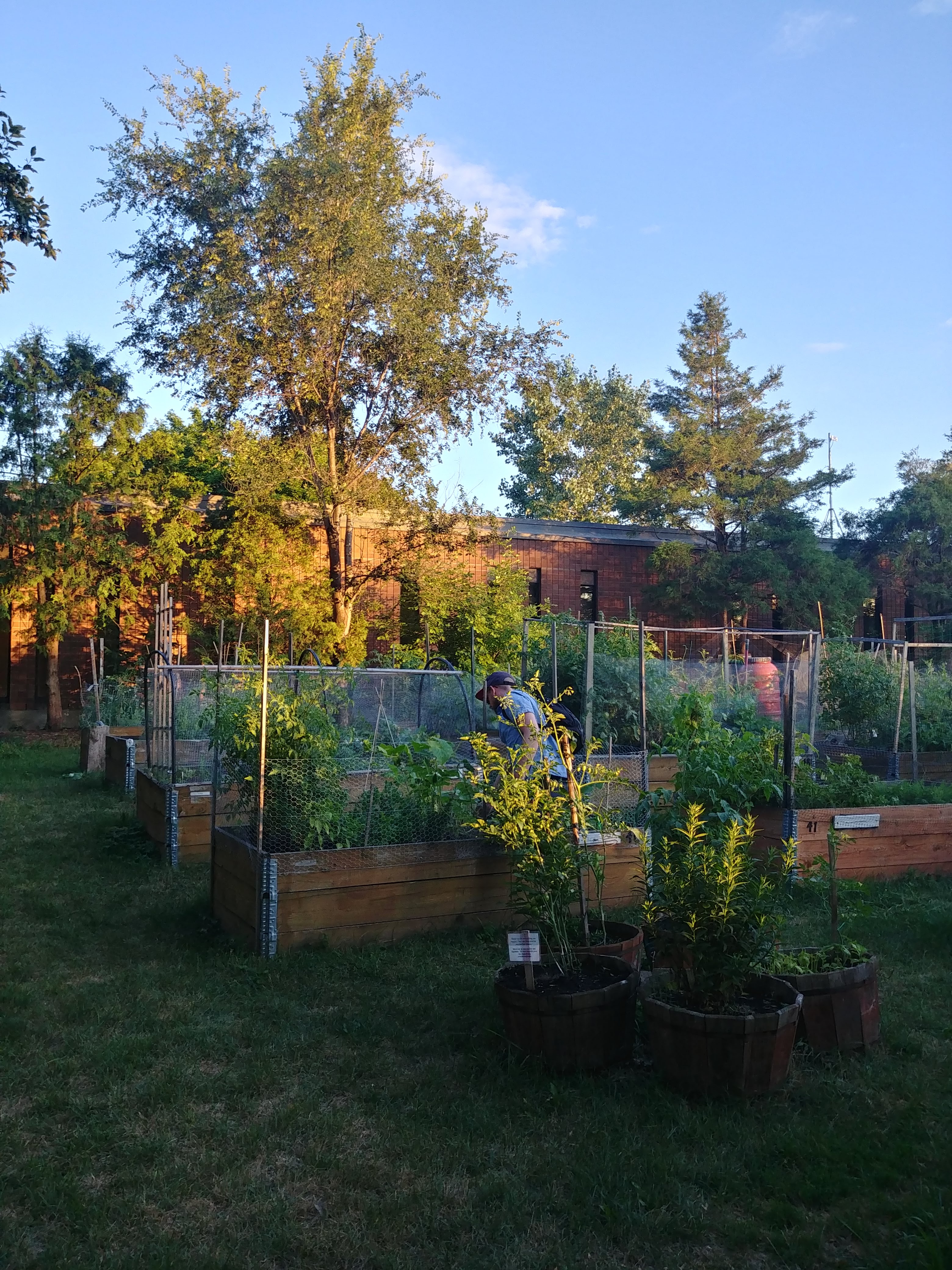
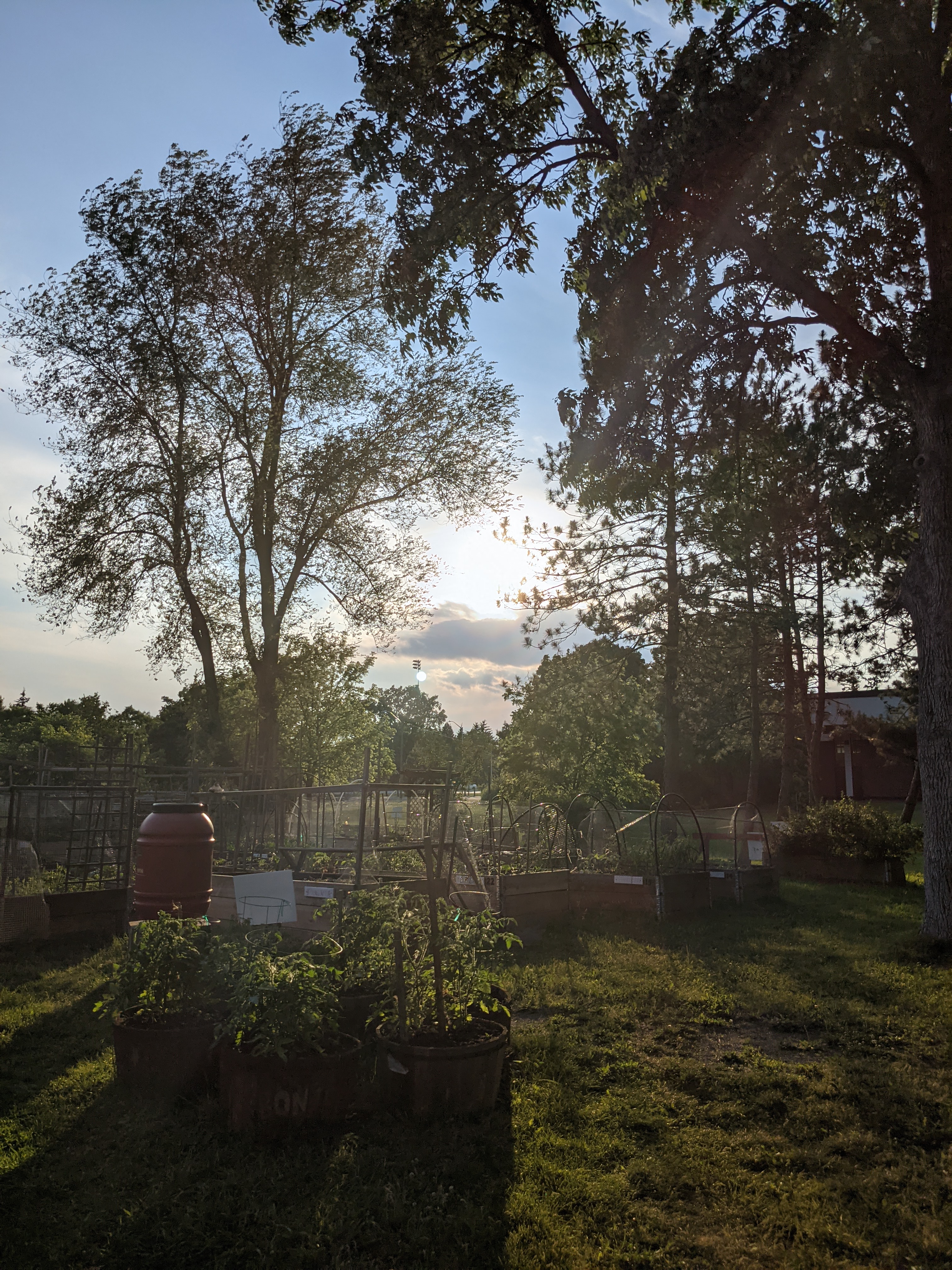
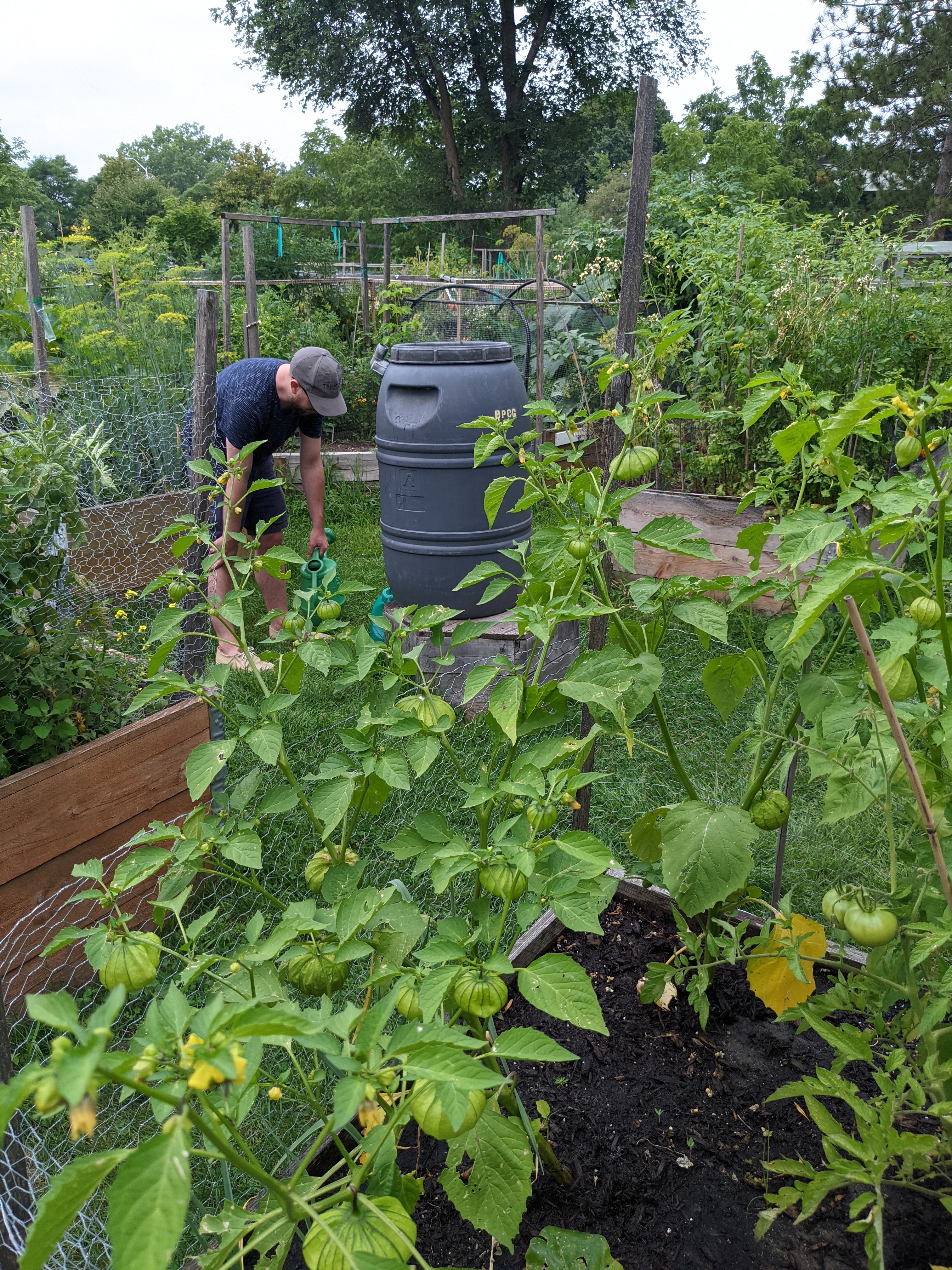
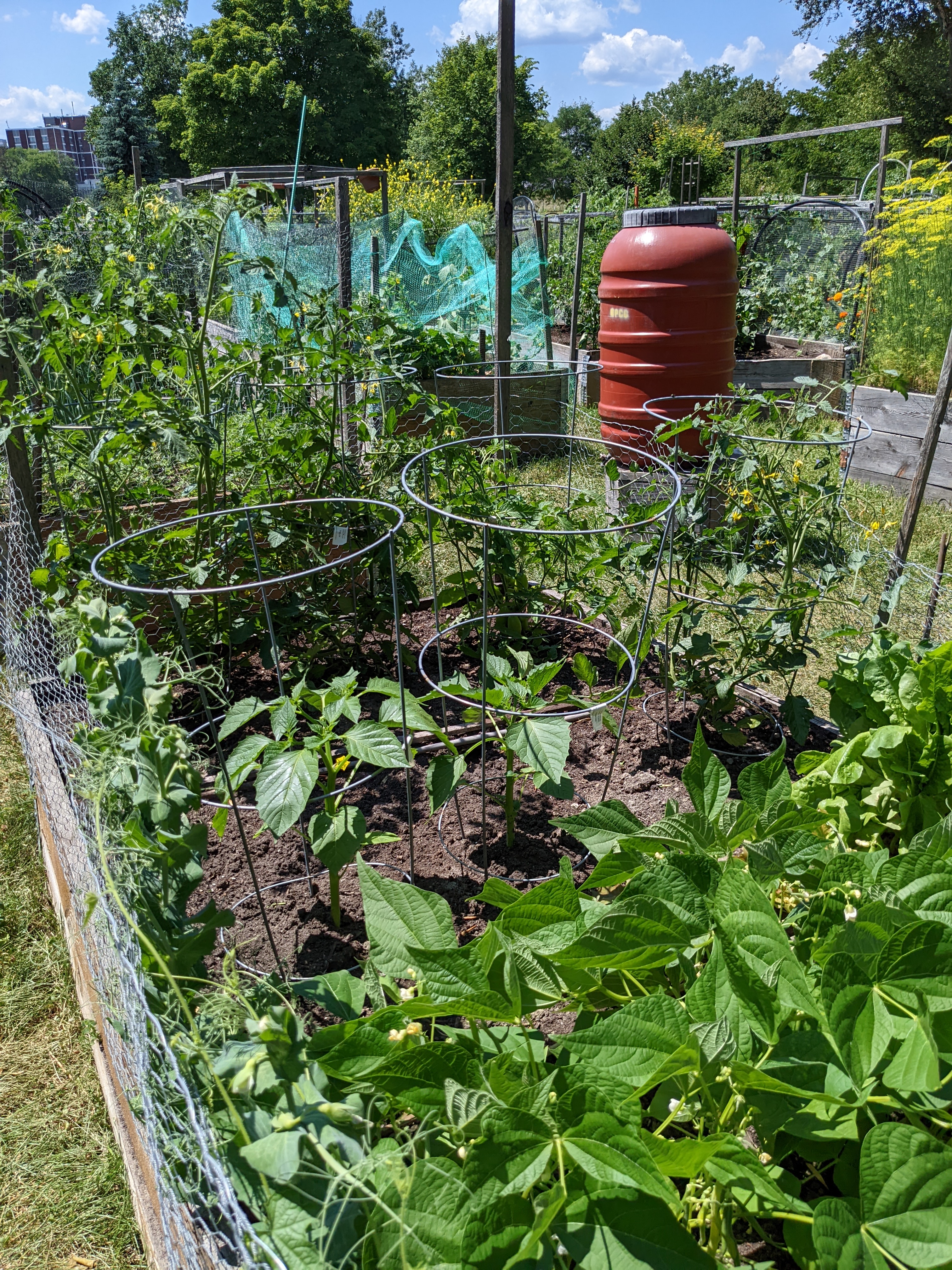
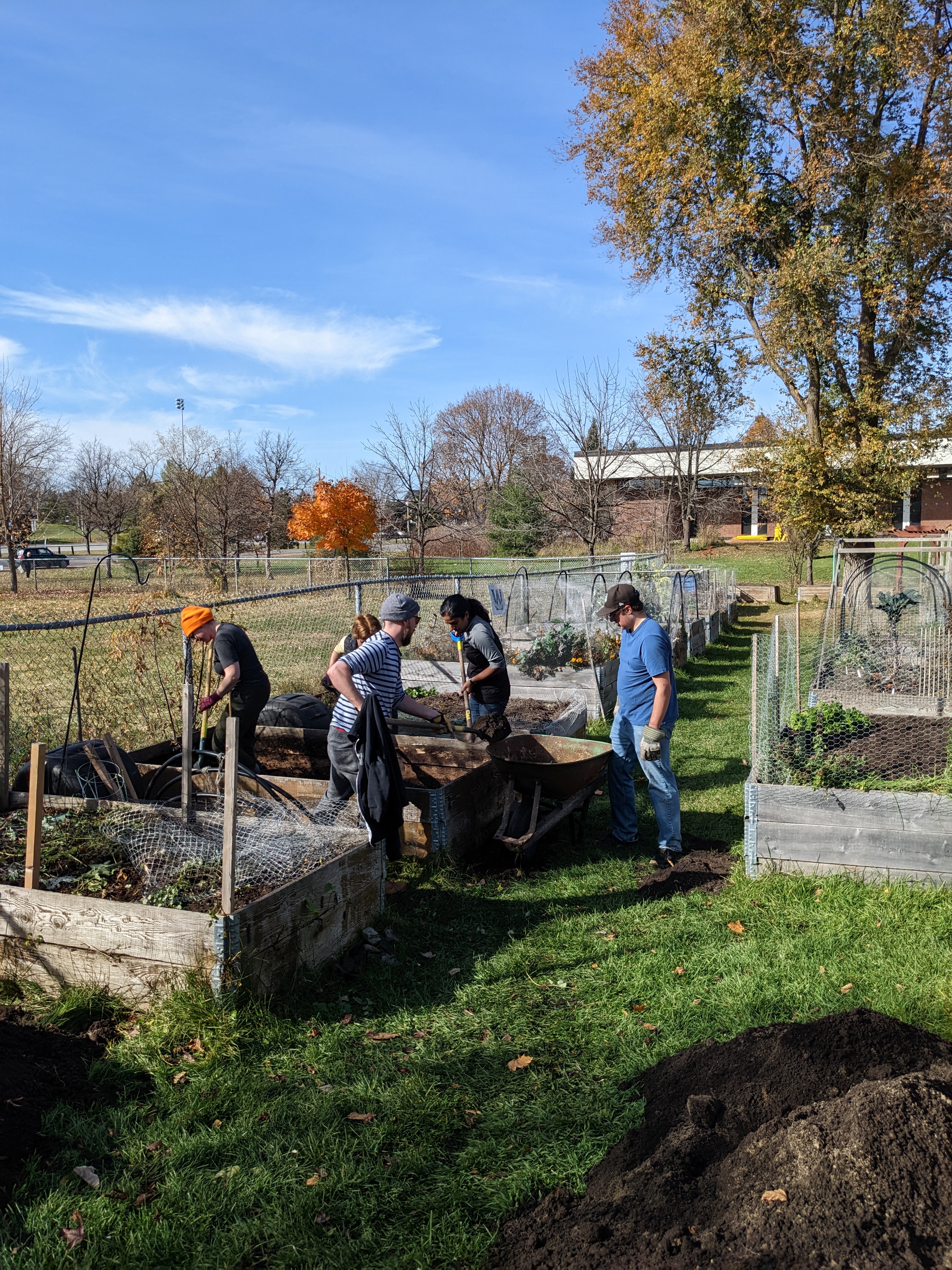
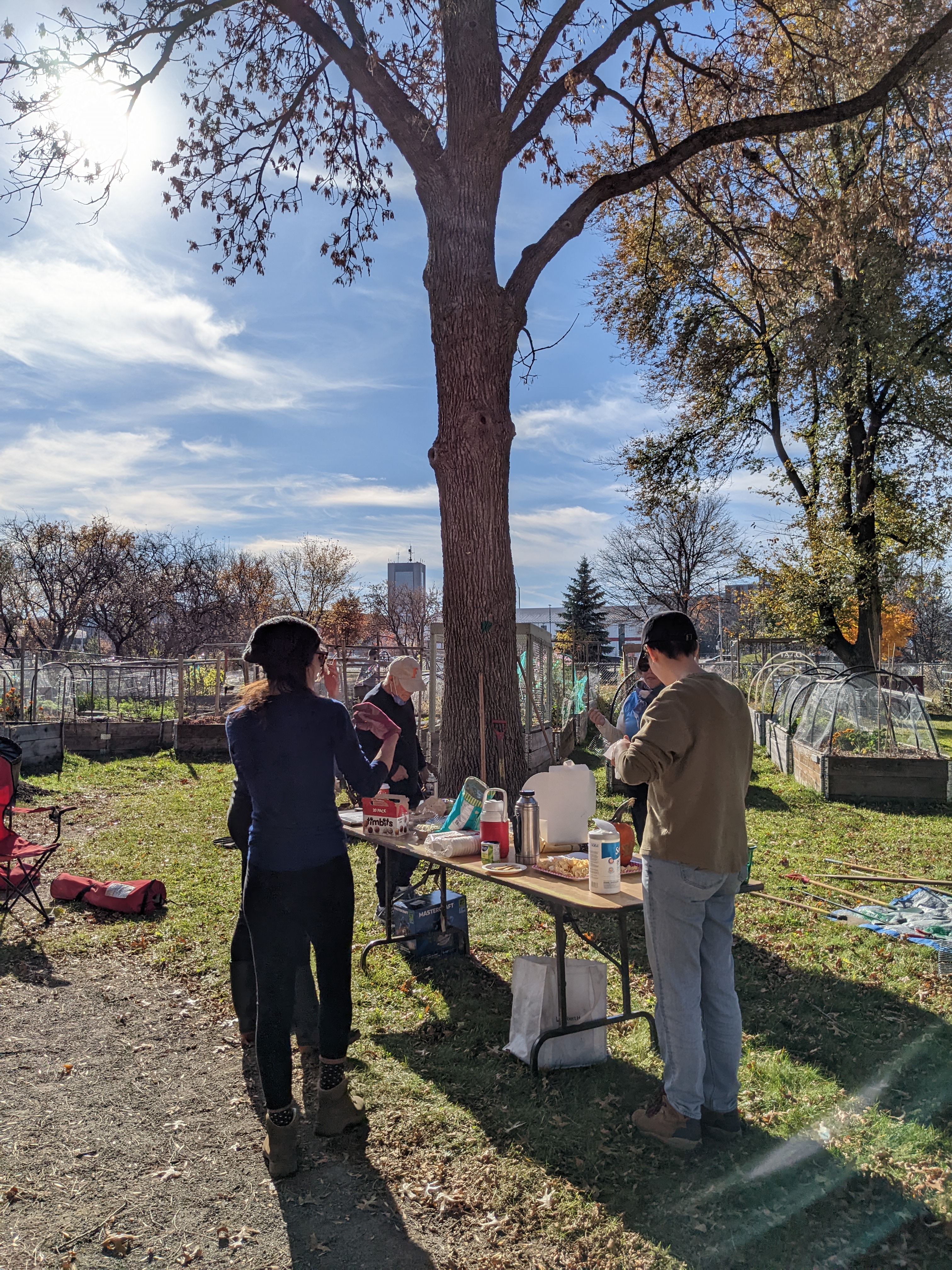
And now, a few photos from previous seasons at our community garden:

 Queer Domesticity